UK 2026 Regulations for Construction Welfare Units for Building Sites
 Prefer burnhamportabletoilethire.co.uk on Google
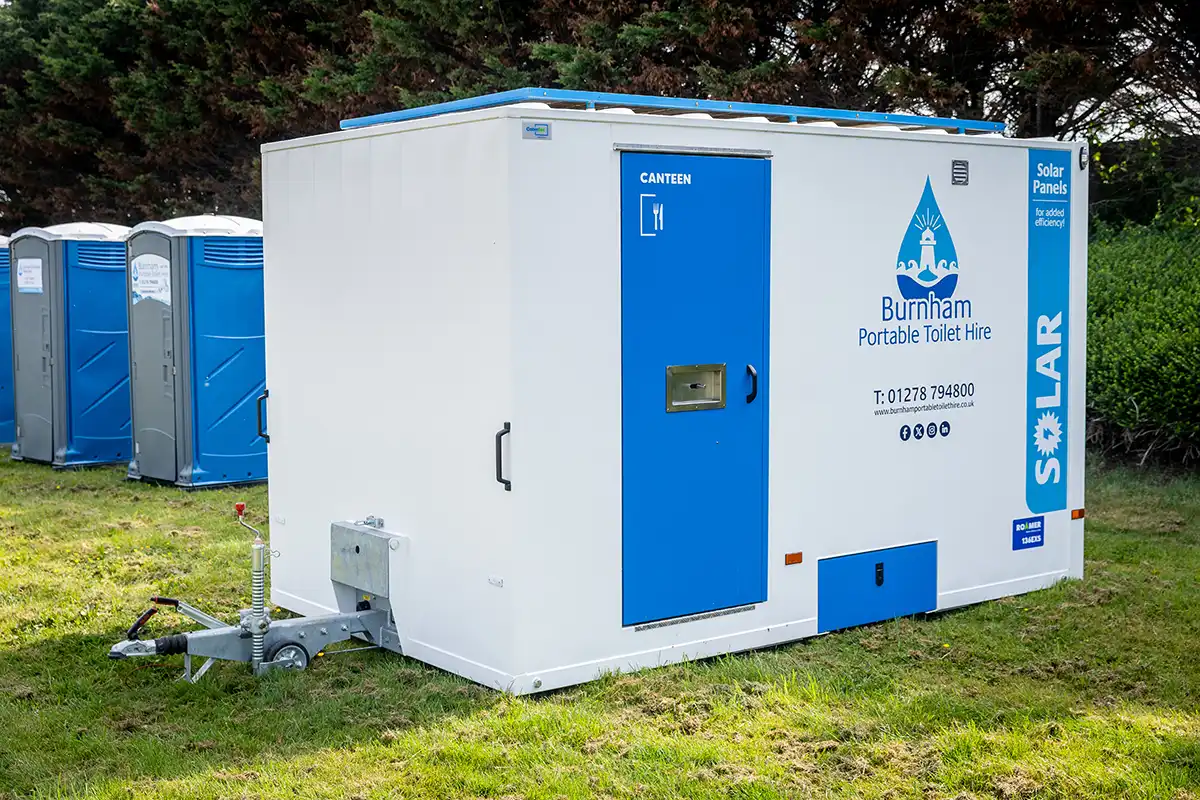
Construction Site Welfare Units: UK Regulations, Compliance and Best Practice
Every construction site in the UK must provide welfare facilities by law. Not as guidance, not as best practice advice, but as a legal duty placed on the principal contractor under the Construction (Design and Management) Regulations 2015, commonly known as CDM Regulations. The Health and Safety Executive enforces it, and non-compliance can stop work on site entirely.
The reasoning is straightforward. Construction work is physical, often outdoors, and run across long shifts in all weather. Workers need somewhere to wash, somewhere warm to eat, and clean toilets and drinking water. Where sites fall short, it’s rarely the principle that’s misunderstood. It’s the detail: units serviced too infrequently, positioned too far from the working area, or never scaled up as the crew on site grew.
What a Compliant Welfare Unit Actually Needs
The facilities required are specific, so a short list is more useful here than prose.
- Toilet facilities, with separate provision where the workforce requires it
- Washing facilities with hot and cold running water
- A drying area for wet clothing
- A warm rest area with seating and hot drink facilities
- Clean drinking water
Scale matters more than most site managers expect. A crew of twelve needs meaningfully more provision than four operatives, even on a similar build. The most common compliance gap isn’t poor planning at the start of a job, it’s failing to revisit welfare provision as headcount changes.
Matching the Unit to the Project
Towable units like Groundhog welfare units are common for good reason. They’re self contained and quick to position, which suits sites with tight access or projects that relocate more than once. But the right answer depends on the job. A long groundworks contract has different needs to a two week utilities job, and a large development may need multiple units or static cabins with greater capacity than a small crew ever would.
The fastest way to get this wrong is guessing. Talk to a supplier who hires and services construction site toilets and welfare cabins daily, and match the unit to workforce size, duration and access before the job starts, not after the HSE asks questions.
Why Servicing Isn’t Optional
An unserviced welfare unit stops working as a welfare unit fast. Tanks fill, washing facilities fail, and a space workers should want to use becomes one they avoid. That’s both a morale problem and a compliance failure waiting to surface at the worst possible moment, usually a site inspection.
Regular welfare unit servicing keeps facilities working for the life of the project, not just on installation day. It also protects reputation: subcontractors talk, and sites known for poor welfare struggle to attract good crews for the next phase. Units serviced properly also last longer and break down less, meaning fewer unplanned call-outs disrupting the working day.
One Local Company, Full Site Support
Burnham Portable Toilet Hire has worked in waste management since 1992, based in Highbridge and serving sites across Somerset and the South West. We supply and service welfare units alongside portable toilet hire, long term toilet hire and portable shower hire, so you deal with one supplier across a site rather than several.
For jobs without mains access, we also provide commercial septic waste tanks, water refill services and hot wash toilet hire. Beyond construction, we’re proud of supporting local Somerset communities, including our recent partnership with Burnham rugby club. Our wider waste management services mean we can support a site from groundworks through to handover.
Frequently Asked Questions
Do all sites legally need welfare facilities?
Yes, under CDM Regulations, regardless of size or duration, though what counts as adequate scales with the project.
How often should units be serviced?
Most active sites need weekly servicing as a minimum. Your supplier should set a schedule based on actual headcount and usage, not guesswork.
Can welfare units move between sites?
Towable units like Groundhog cabins are built for this. Confirm access requirements at each new location before relocating.
What happens if a site is found non-compliant?
The HSE can issue improvement notices or stop work until welfare provision meets requirements, which costs far more than getting it right from the start.
Conclusion
Getting welfare provision right rarely gets noticed. Getting it wrong gets noticed immediately. Whether it’s a short utilities job or a multi-year development, the right portable site toilet hire setup protects your workforce and keeps you compliant.
Planning a project across Somerset or the South West? Contact us for welfare unit hire, servicing, portable toilets and complete site support before work starts.
Ready to get started
Choosing Burnham Portable Toilet Hire means investing in reliable, professional service with over 30 years of experience. Contact us today for expert septic tank services.